Sidr Honey a compendium

Educational notes on chemistry and pollen analysis. Not medical advice. How we cite

Sidr honeyThe tree, the chemistry and what the published studies measured

A scientific reference cataloging how genuine monofloral Sidr honey is tested in laboratories, what peer-reviewed papers measure (with sample sizes and limits noted), and why viral home purity tricks fail.

Scope of the evidence: the strongest findings are chemical and in vitro. Human cohorts remain small or unblinded.

Decode a lab certificateBrowse 9 peer-reviewed studies

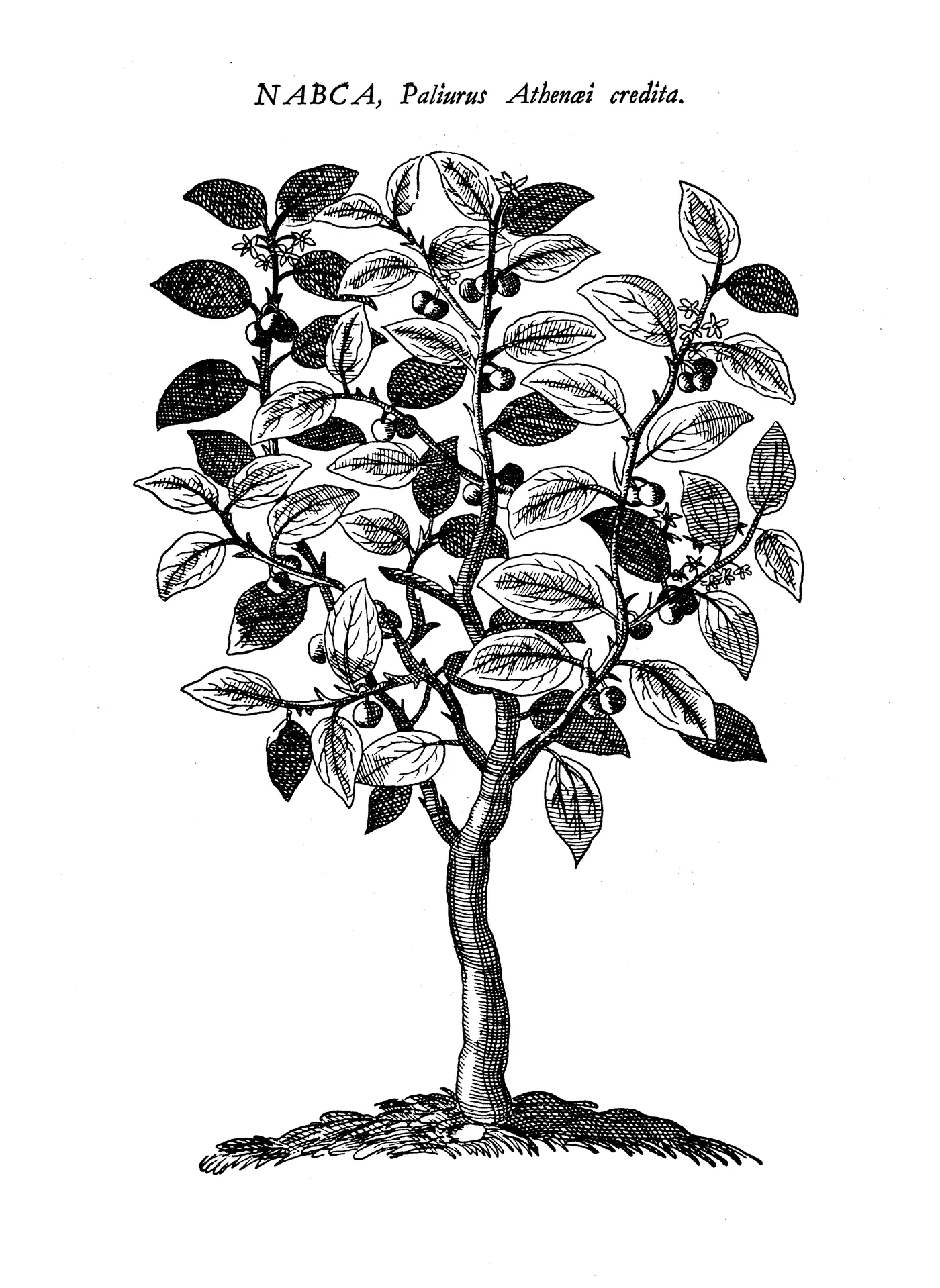
Engraving of a small tree with oval leaves and round fruit, titled Nabca
Fig. 1. “Nabca”, the nabq or Sidr tree (Ziziphus spina-christi), engraved for Prospero Alpini's De plantis Aegypti, edition of 1735. Public domain.
Botanical source
Ziziphus spina-christi, autumn blossom in arid wadis and highlands.
Lab assays
AOAC 998.12 (C4 sugars), LC-HRMS/NMR (C3 syrups), HMF, diastase and pollen counts.
Codex limits
Moisture ≤20%, HMF ≤40 mg/kg, diastase ≥8 DN, sucrose ≤5%.

Certificate of Analysis (COA) Lab Decoder

Enter numbers from any third-party honey lab report to compare against Codex Alimentarius CXS 12-1981 and published raw Sidr ranges.

Diagnostic Summary: All 6 parameters sit inside expected unheated raw Sidr ranges.Note: C3 rice/beet syrups require LC-HRMS or NMR in addition to AOAC 998.12.
Moisture
16.2%
WITHIN TYPICAL RAW RANGE
Codex ≤ 20.0% (raw arid Sidr typically 14.5–18%)

Well-ripened low-moisture profile; low fermentation risk.

HMF (5-Hydroxymethylfurfural)
7.4 mg/kg
WITHIN TYPICAL RAW RANGE
Codex ≤ 40 mg/kg (≤ 80 tropical declaration)

Consistent with fresh, unheated extraction and cool storage.

Diastase Activity
21.5 DN
WITHIN TYPICAL RAW RANGE
Codex ≥ 8 Schade units

Strong enzymatic activity expected in raw unheated floral honey.

Apparent Sucrose
1.8 g/100g
WITHIN TYPICAL RAW RANGE
Codex ≤ 5.0 g/100g

Low residual sucrose consistent with mature floral nectar inversion.

C4 Sugar (AOAC 998.12)
0.9%
WITHIN TYPICAL RAW RANGE
< 7.0% international threshold

No C4 syrup (corn/cane) signal detected.

Ziziphus (Sidr) Pollen Share
68%
WITHIN TYPICAL RAW RANGE
Monofloral benchmark typically ≥ 45%

Predominant Ziziphus pollen supports monofloral Sidr classification.

Key studies, with their limitations

Open the full index (9)

Every summary lists measured values beside design caveats and a direct DOI citation.

2025in-vitro

Hadhramaut Sidr Extract vs. Multidrug-Resistant Biofilms

Hadhramaut Sidr extract inhibited Pseudomonas aeruginosa biofilm formation by 68.2% (vs. 55.2% for imipenem) and Candida albicans by 62.6% (vs. 56.1% for fluconazole), with 94.2% growth inhibition on Staphylococcus aureus.

68.2%

2026human

90-Day Daily Sidr Consumption & Blood Lipid Markers

Mean LDL shifted from 109.33 to 91.13 mg/dL, HDL shifted from 37.15 to 51.77 mg/dL, and average BMI changed from 27.85 to 26.27; hemoglobin and red blood cell counts also declined significantly.

10 g/day

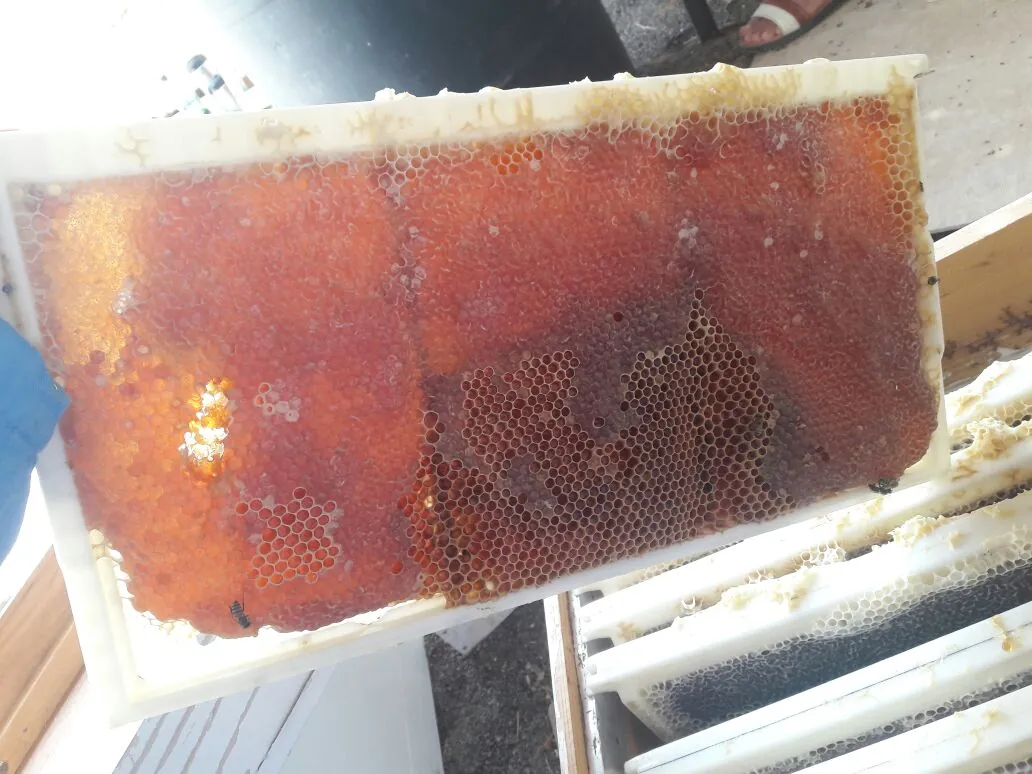
A frame of honeycomb, partly capped with wax, held up against the light
Fig. 2. A frame part-capped with wax. Bees seal a cell once the honey inside has ripened.
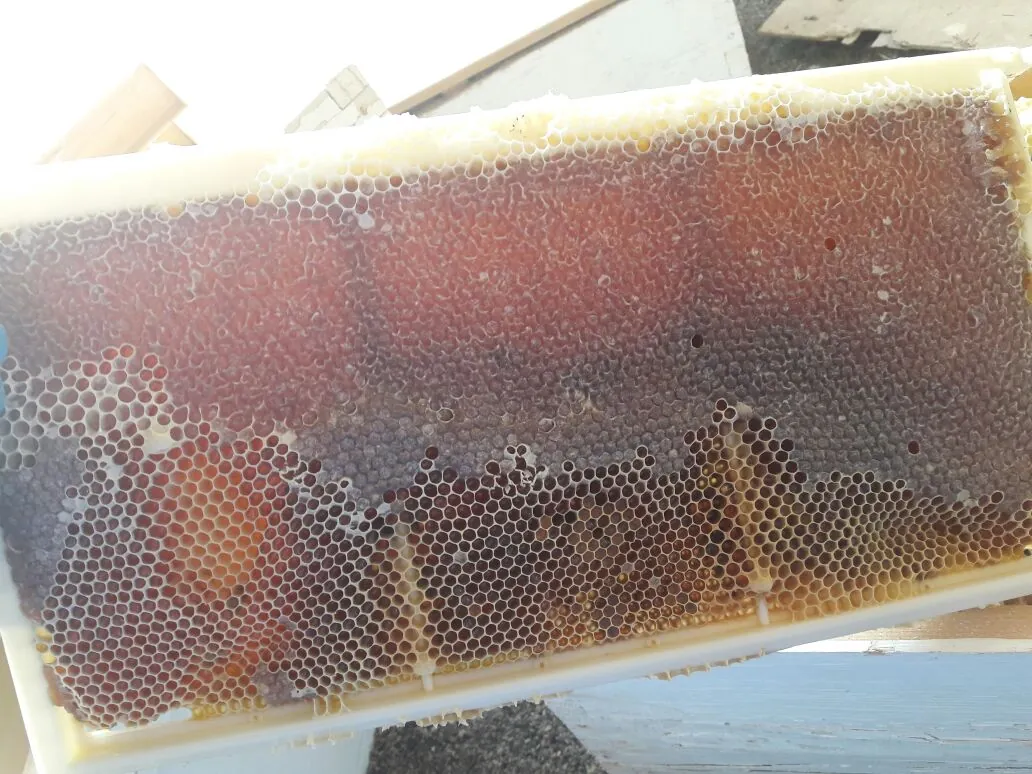
A frame of dark honeycomb with open and capped cells
Fig. 3. Open and capped cells on one frame, Hadramout.

Codex CXS 12-1981 beside typical raw Sidr values

Full standards and glossary
ParameterCodex standardTypical raw SidrWhat it tells the analyst
Moisture Content≤ 20.0%14.5% – 18.0%Water activity and ripeness at harvest. Above 20% raises fermentation risk during storage.
Hydroxymethylfurfural (HMF)≤ 40 mg/kg (≤ 80 mg/kg tropical declaration)2 – 25 mg/kgHeat- and age-induced sugar breakdown compound. Spikes when honey is pasteurized, boiled, or stored hot.
Diastase Activity≥ 8 Schade (≥ 3 for low-enzyme floral honeys)12 – 30 SchadeNatural bee-derived alpha-amylase enzyme preserved only when honey stays unheated.
Apparent Sucrose≤ 5.0 g/100g0.5 – 3.5 g/100gResidual uninverted table sugar; elevated sucrose can signal premature harvest, sugar feeding, or adulteration.
Reducing Sugars (Fructose + Glucose)≥ 60 g/100g (blossom honey)65 – 75 g/100gCore monosaccharides created by bee invertase activity on floral nectar.
C4 Sugar Adulteration (AOAC 998.12)< 7.0% threshold0% – 3.0%Stable carbon isotope ratio (13C/12C) detecting corn syrup or cane sugar syrups added to honey.